Hotel Digital Signage Solutions
Explore how hotel digital signage transforms guest experience and drives revenue
Author
EZ-AD TVHotel Digital Signage Solutions
Why hotels need digital signage
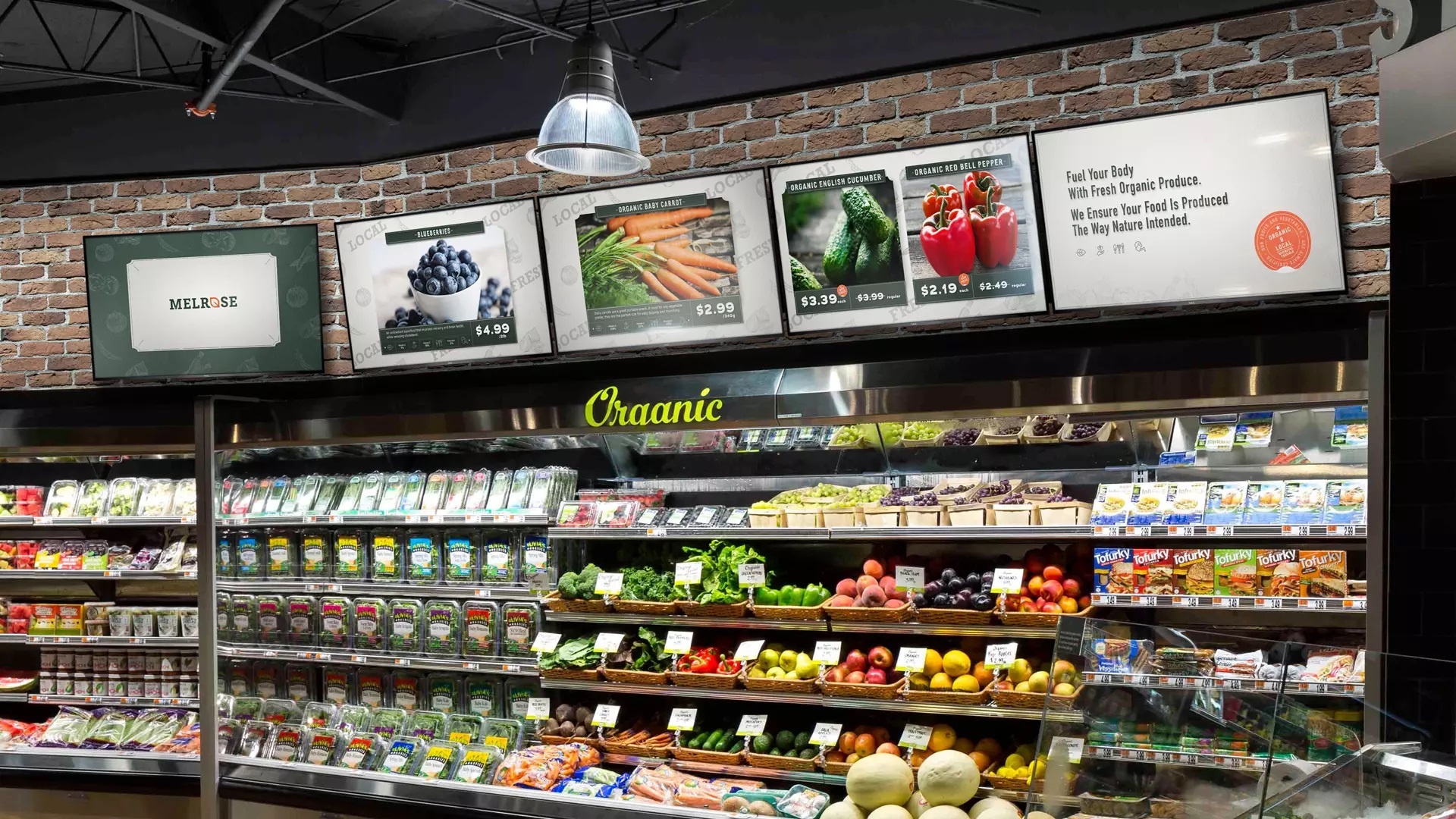
When you walk into a modern hotel the first thing you notice is the bright screens guiding you to the lobby elevators and the breakfast area. That impact is powered by hotel digital signage that delivers clear messages in real time. Guests feel welcomed and informed from the moment they step inside. The technology replaces static posters that often get ignored. It also allows managers to update promotions instantly.
The rise of mobile devices has changed how travelers consume information. They expect dynamic content that matches their pace. A digital display can show weather updates local events and special offers all at once. This creates a seamless flow of information that keeps guests engaged.
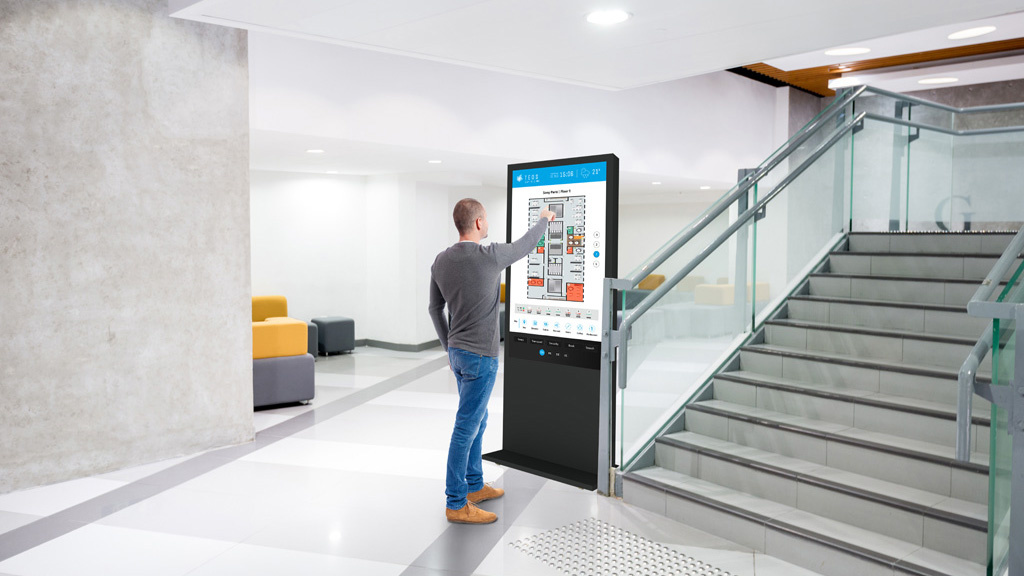
Many properties invest in interactive displays that let guests explore spa menus book tours or request extra towels with a tap. These screens turn a simple hallway into a service hub. The result is higher satisfaction scores and more ancillary sales.
Integrating hotel digital signage with the property management system unlocks personalized greetings for repeat visitors. The system can pull the guest name and loyalty tier and display a welcome message on the nearest screen. This personal touch makes the stay feel exclusive.
A well planned network of screens elevates the overall guest experience by reducing confusion and highlighting amenities. When guests see a clear map to the pool they are more likely to use it. When they notice a happy hour announcement they may extend their stay at the bar.
I remember staying at a boutique hotel where the lobby screen played a looping video of local street art. It felt like the hotel was part of the neighborhood culture. That simple visual connection made me want to explore the city on foot. It reminded me how powerful visual storytelling can be in hospitality.
Beyond aesthetics digital signage drives operational efficiency. Housekeeping can receive real time alerts when a room is marked clean and ready for new guests. Maintenance teams can see equipment status updates without paging a supervisor. This reduces response time and cuts labor costs.
When you think about ROI the numbers speak loudly. A study in 2023 showed that hotels using digital signage saw a 12 percent increase in on site spend per guest. Over 60 percent of properties reported higher occupancy during promotional campaigns displayed on screens. The data proves that the technology pays for itself quickly.
The ability to push real time updates about conference schedule changes or weather alerts keeps guests safe and informed. No more printed flyers that get lost in the mailroom. The instant nature of digital signage ensures that every person in the building receives the same information at the same moment.
THE FUTURE OF HOTEL COMMUNICATION IS VISUAL.
Planning a digital signage rollout starts with an audit of high traffic zones. Identify areas where guests linger such as the lobby restaurant and the spa. Choose screens that match the interior design and support the required brightness. Then map out a content calendar that balances promotions news and local culture.
Content should be concise and brand aligned. Use high resolution images and short video clips. Avoid clutter and keep the message to a few words. When you speak visually the brain processes information faster than reading a brochure.
A cloud based signage platform lets you schedule content from any device. You can set playlists for morning afternoon and evening. The interface is intuitive and requires no coding skills. This empowers marketing teams to stay agile.
One challenge is ensuring content relevance across different guest demographics. A family friendly message may not resonate with business travelers. Segment your playlists by location and time to address diverse needs.
Measure success with metrics like dwell time screen impressions and conversion rates. Use analytics to refine messaging and identify peak engagement periods. Continuous improvement turns the screens into a revenue engine.
In summary digital signage is not a gimmick it is a strategic asset that enhances guest experience drives revenue and streamlines operations. Embrace the technology and watch your hotel transform.
Design best practices
When designing screen layouts keep the hierarchy clear. Use large fonts for headlines and smaller text for details. Contrast colors so the message stands out even in bright daylight. Avoid clutter by limiting the number of elements on each slide. Consistency across all screens builds brand recognition.
Placement matters as much as content. Position screens at eye level in corridors near elevators and at the entrance. Ensure the viewing angle is comfortable for standing guests. Use motion sensors to adjust brightness based on ambient light. This reduces energy consumption and extends screen lifespan.
Content should be refreshed regularly to keep guests interested. A weekly schedule that mixes promotions events and local highlights prevents fatigue. Incorporate user generated photos from social media to create a sense of community. Highlight sustainability initiatives to appeal to eco conscious travelers.
Case studies of successful implementations
A midsize resort in Costa Rica upgraded its lobby with four 55 inch displays and saw a 15 percent rise in spa bookings within three months. The screens showcased a short video of the pool and a live countdown to the sunset yoga class. Guests reported that the visual cues made them more likely to join the activity.
A boutique hotel in Buenos Aires integrated hotel digital signage with its loyalty app. When a member checked in the system displayed a personalized welcome and a discount code for the rooftop bar. The targeted offer generated a 20 percent increase in bar revenue during the first quarter.
A chain of business hotels in Mexico City deployed interactive wayfinding kiosks in the conference wing. Attendees used the touch screens to locate breakout rooms and order coffee without leaving the venue. The convenience reduced support tickets by 30 percent and improved overall event satisfaction scores.
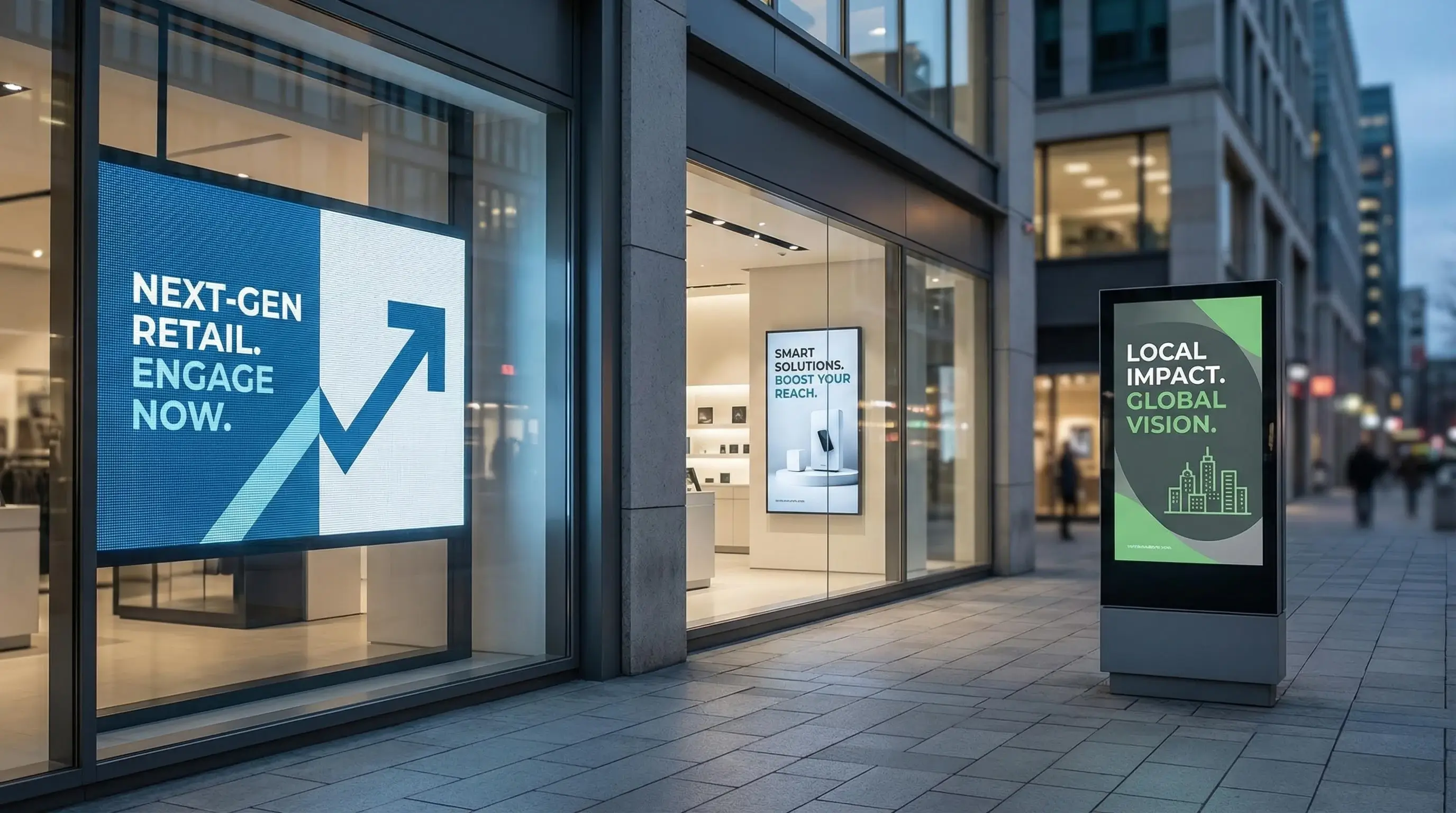
A luxury property in Chile combined real time updates with weather forecasts on its exterior LED board. When a sudden rainstorm hit the city the board automatically displayed indoor activity suggestions. The proactive communication earned positive reviews and higher occupancy during the stormy week.
Future trends in hotel signage
Artificial intelligence is set to personalize content even further. By analyzing guest preferences the system can recommend dining options and spa treatments tailored to each individual. Voice activation will allow guests to ask the screen for directions or request service without using a phone.
Augmented reality overlays could turn a simple hallway into an interactive museum of local culture. Guests could point their phone at a screen and see 3D models of historic landmarks. This immersive experience adds value to the stay and differentiates the brand.
Sustainability will drive the adoption of low power e ink displays for static information. While e ink is a type of technology that uses minimal electricity it still provides crisp readable text even in bright sunlight. Hotels can reduce energy costs while maintaining a modern look.
Integration with IoT sensors will enable screens to react to occupancy levels. When a meeting room is empty the display can dim or show a calm visual to conserve energy. When the lobby is busy the system can push promotional offers to capture attention.
Implementing hotel digital signage across the entire property creates a unified communication channel that guests trust. The consistency builds brand loyalty and encourages repeat visits.